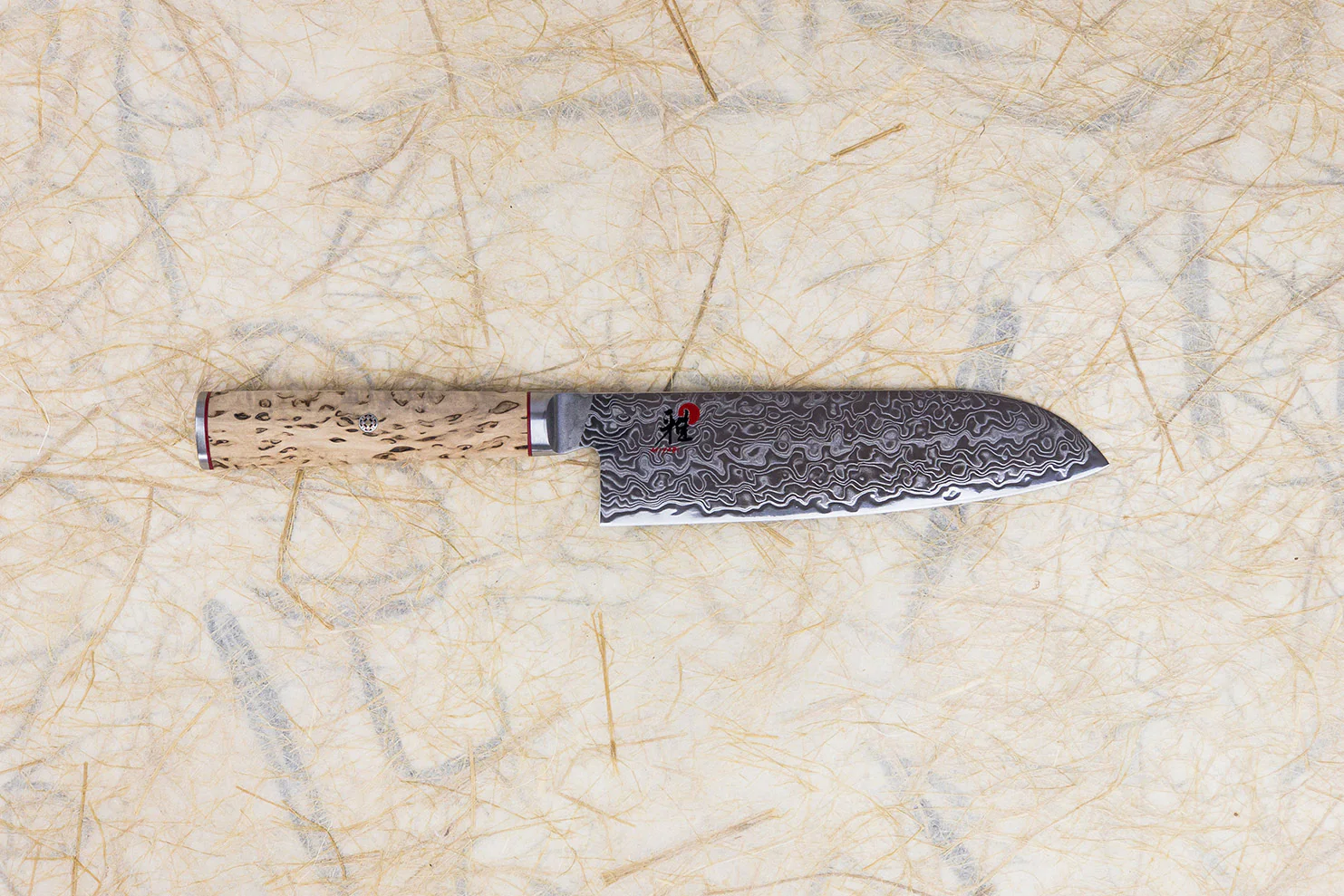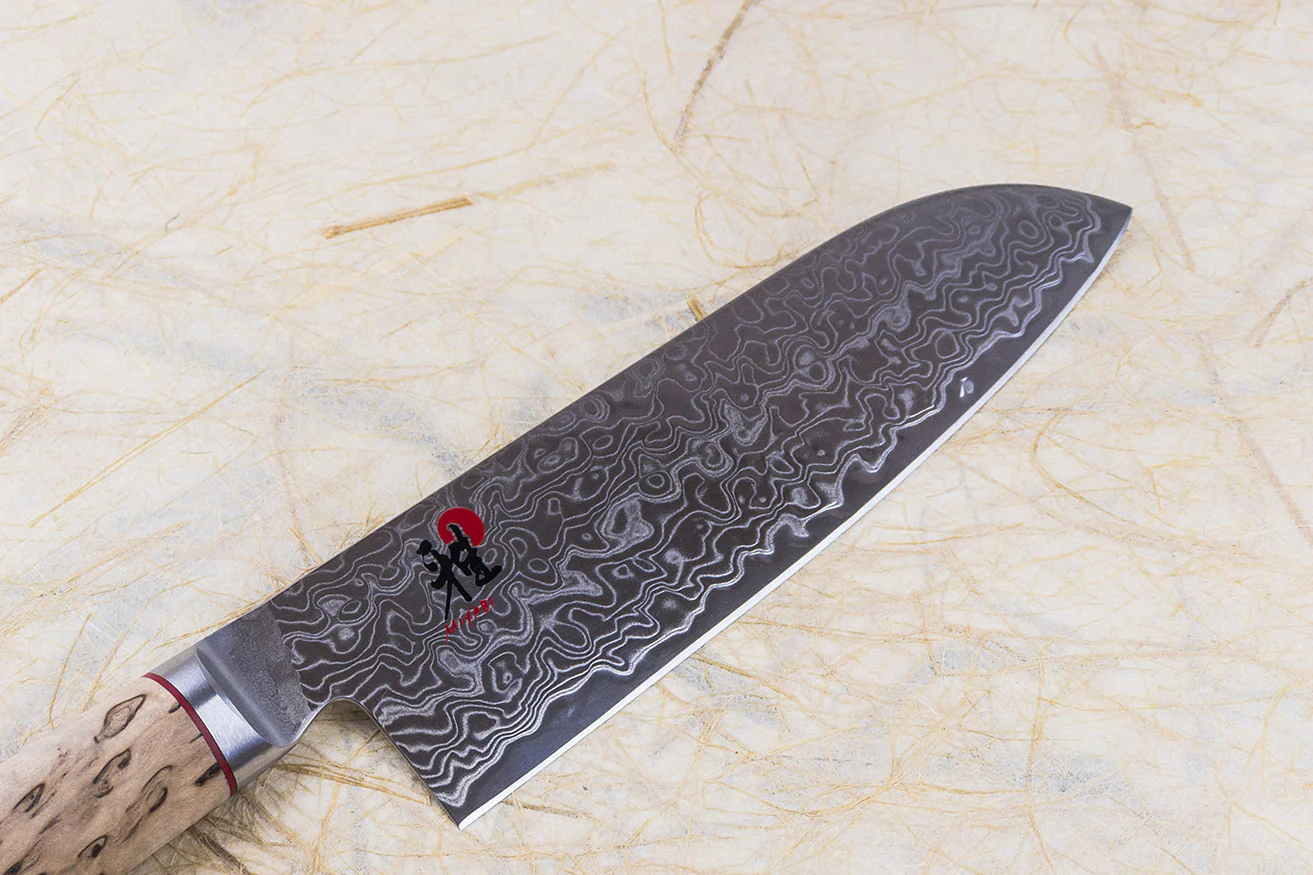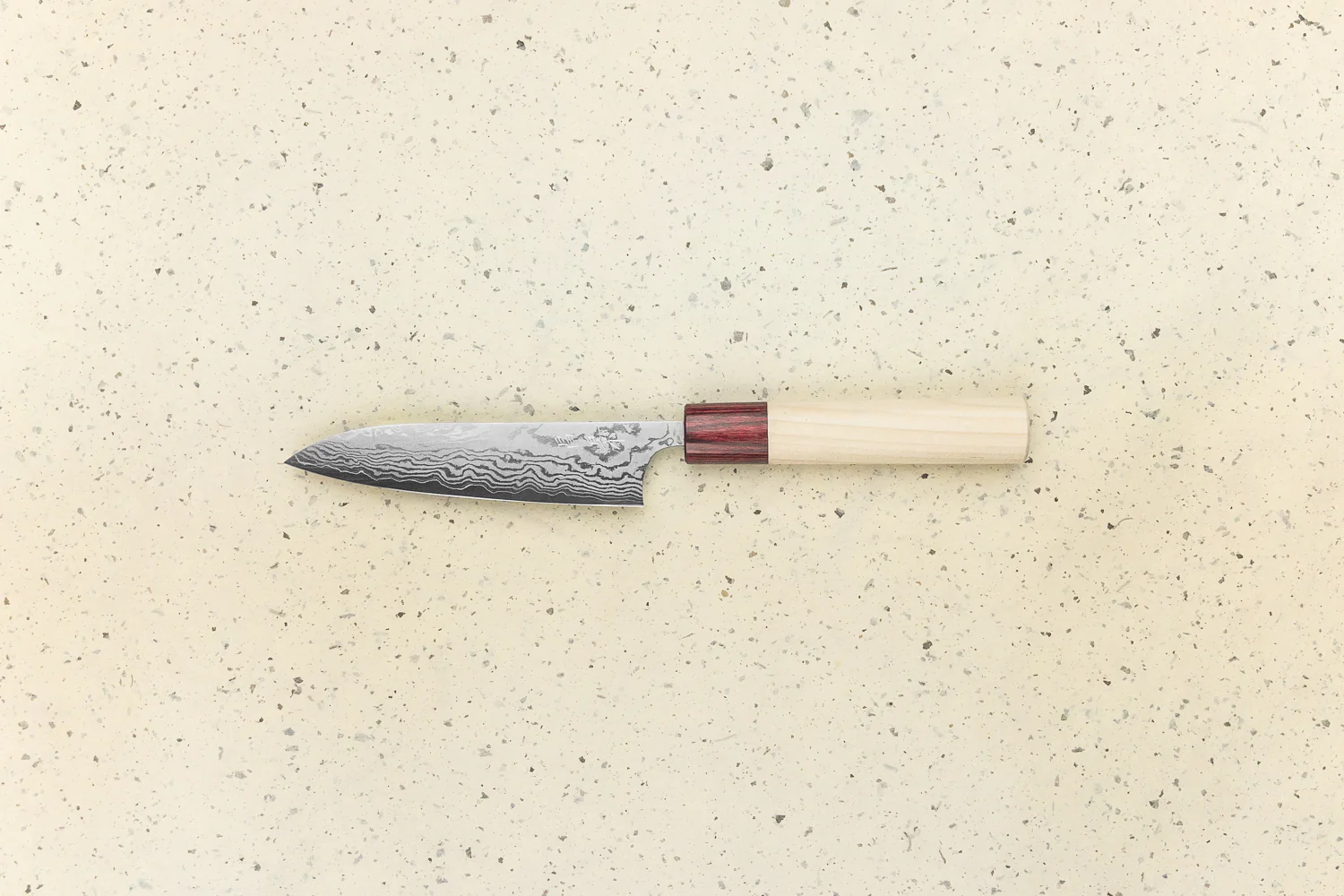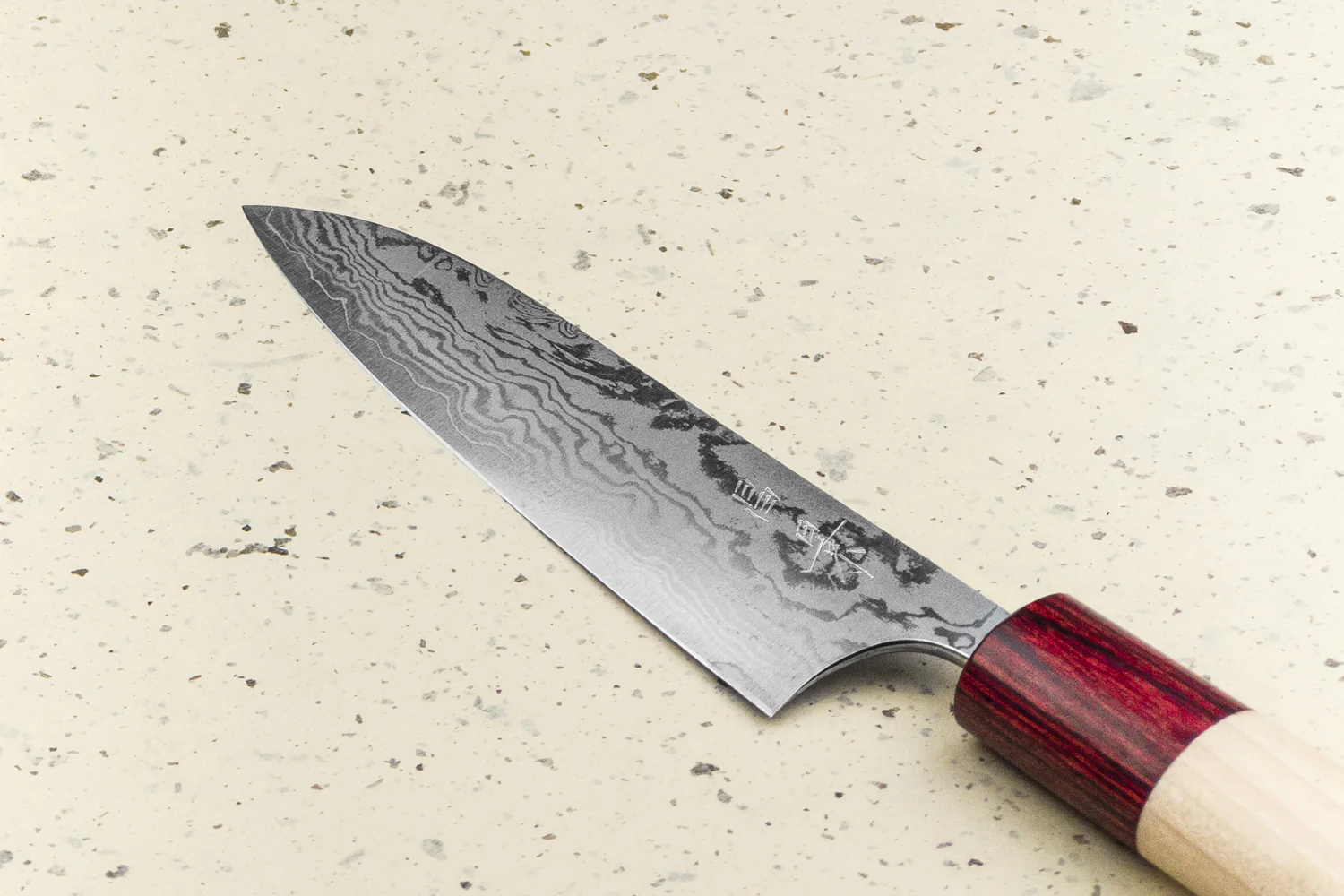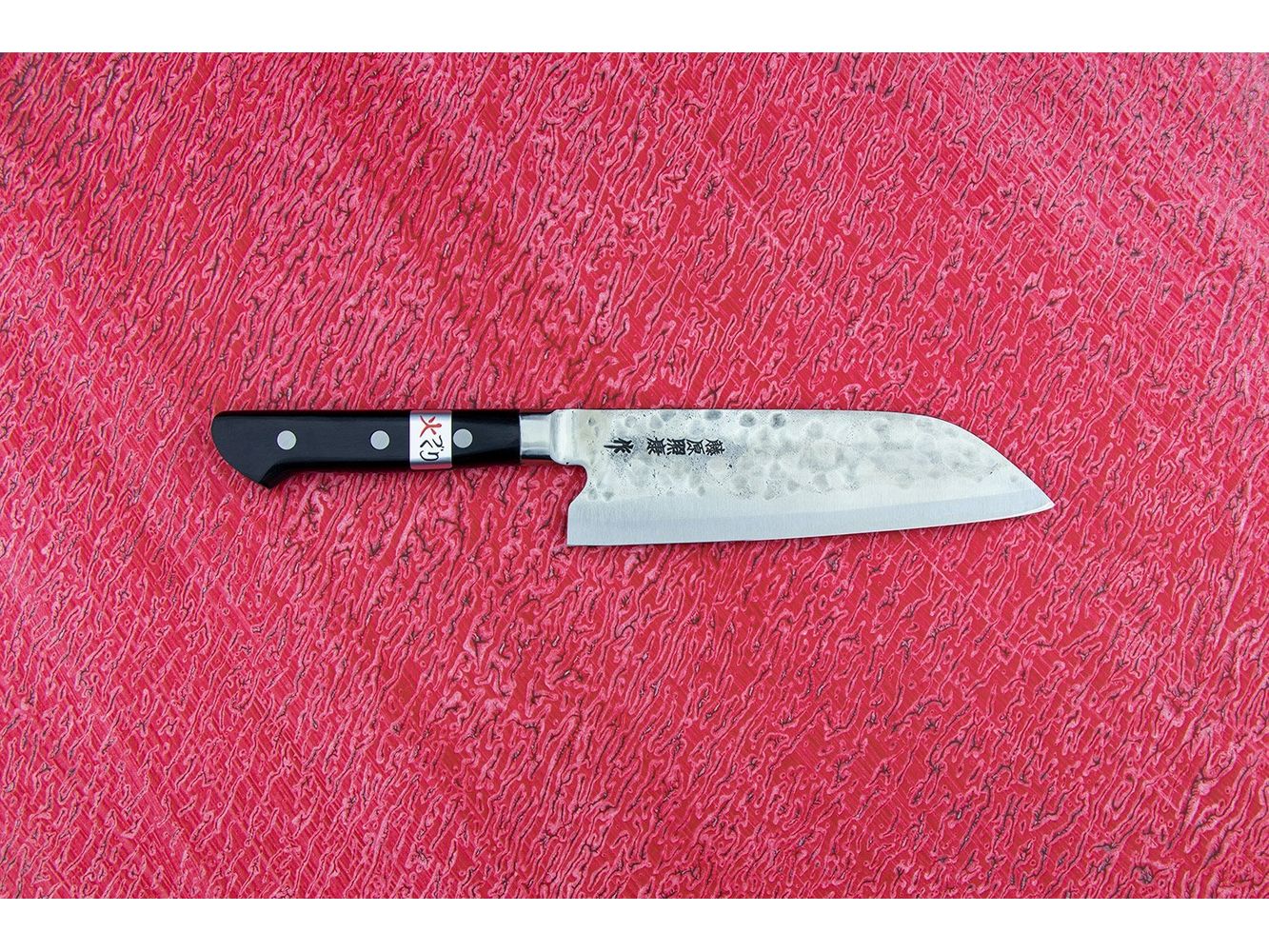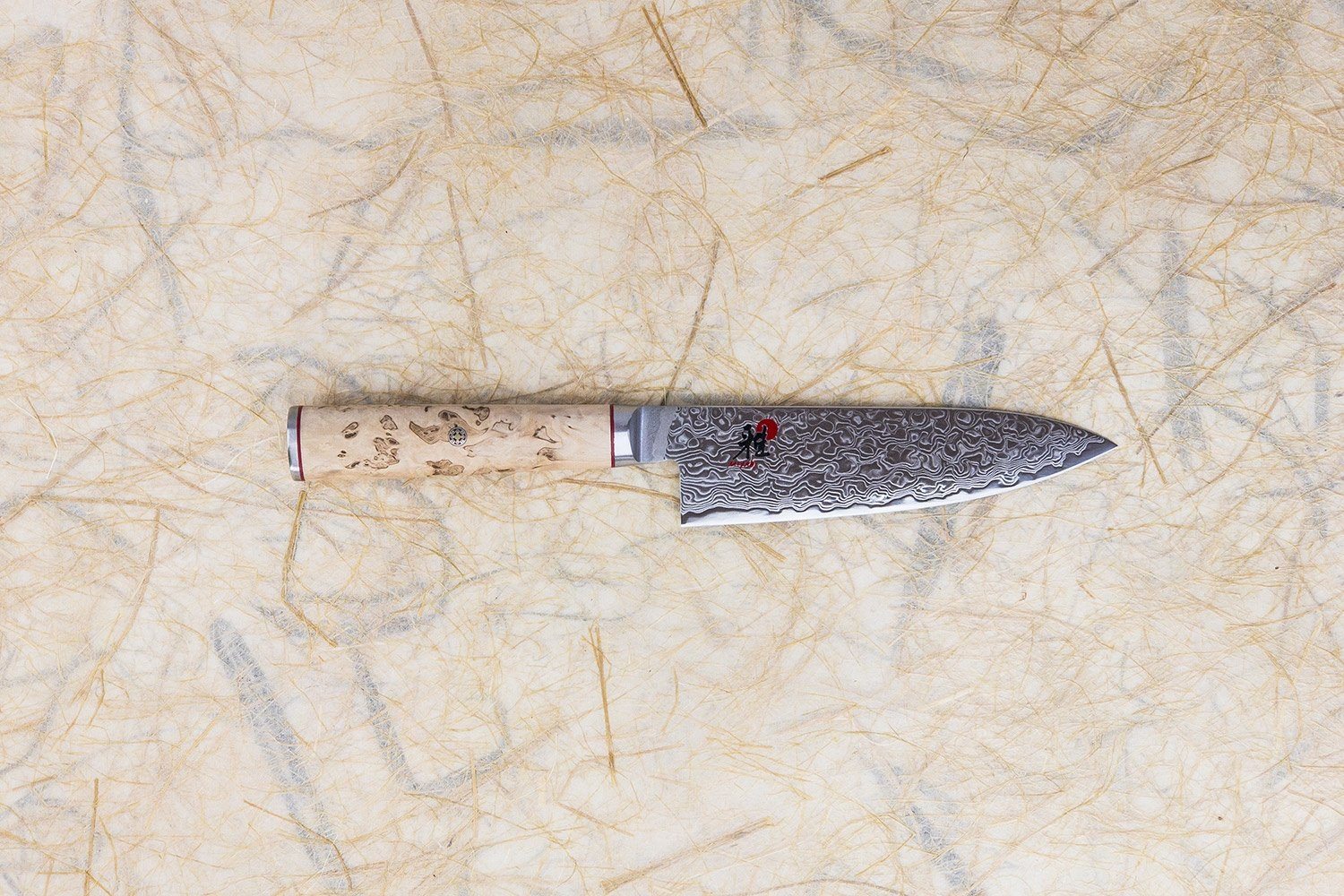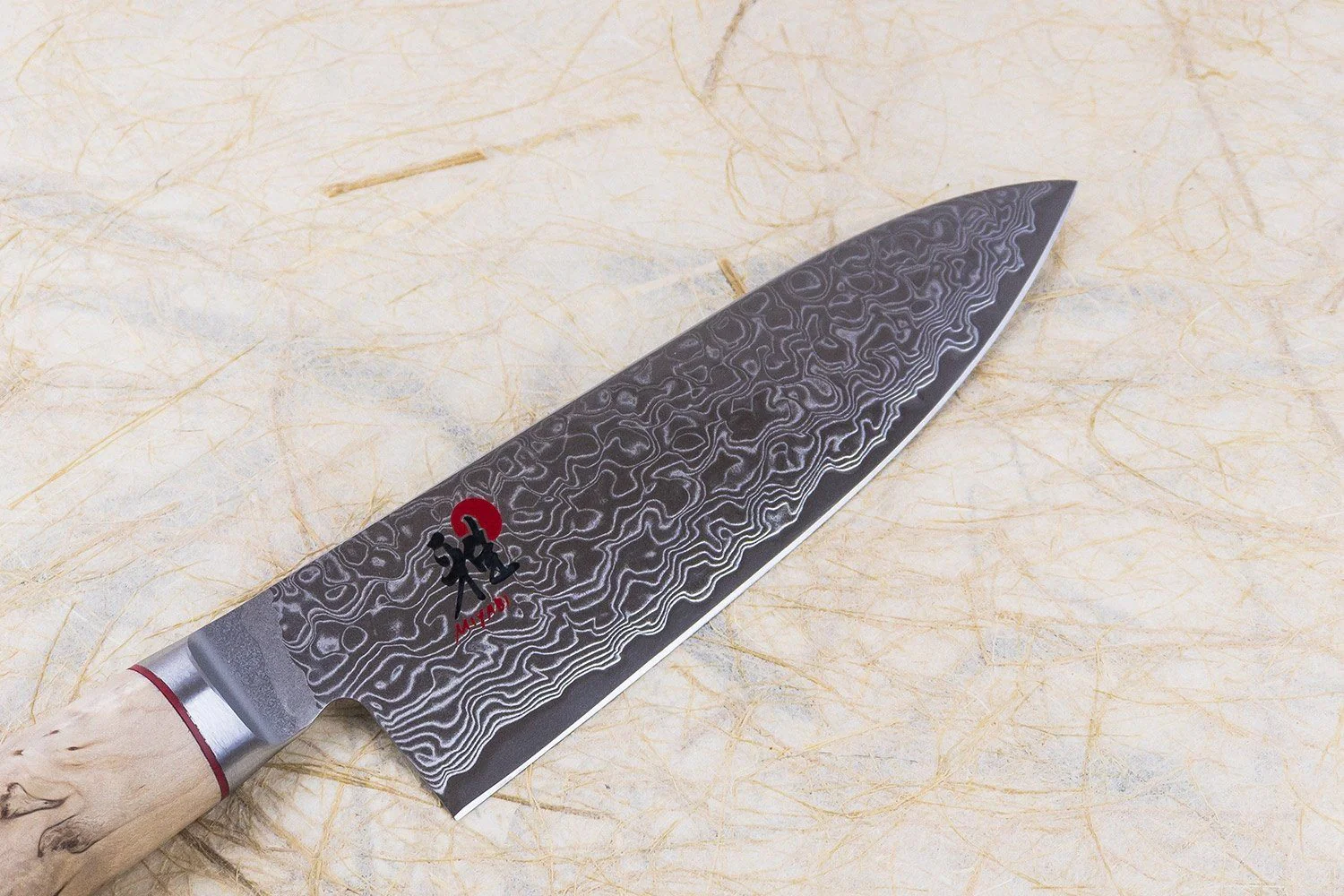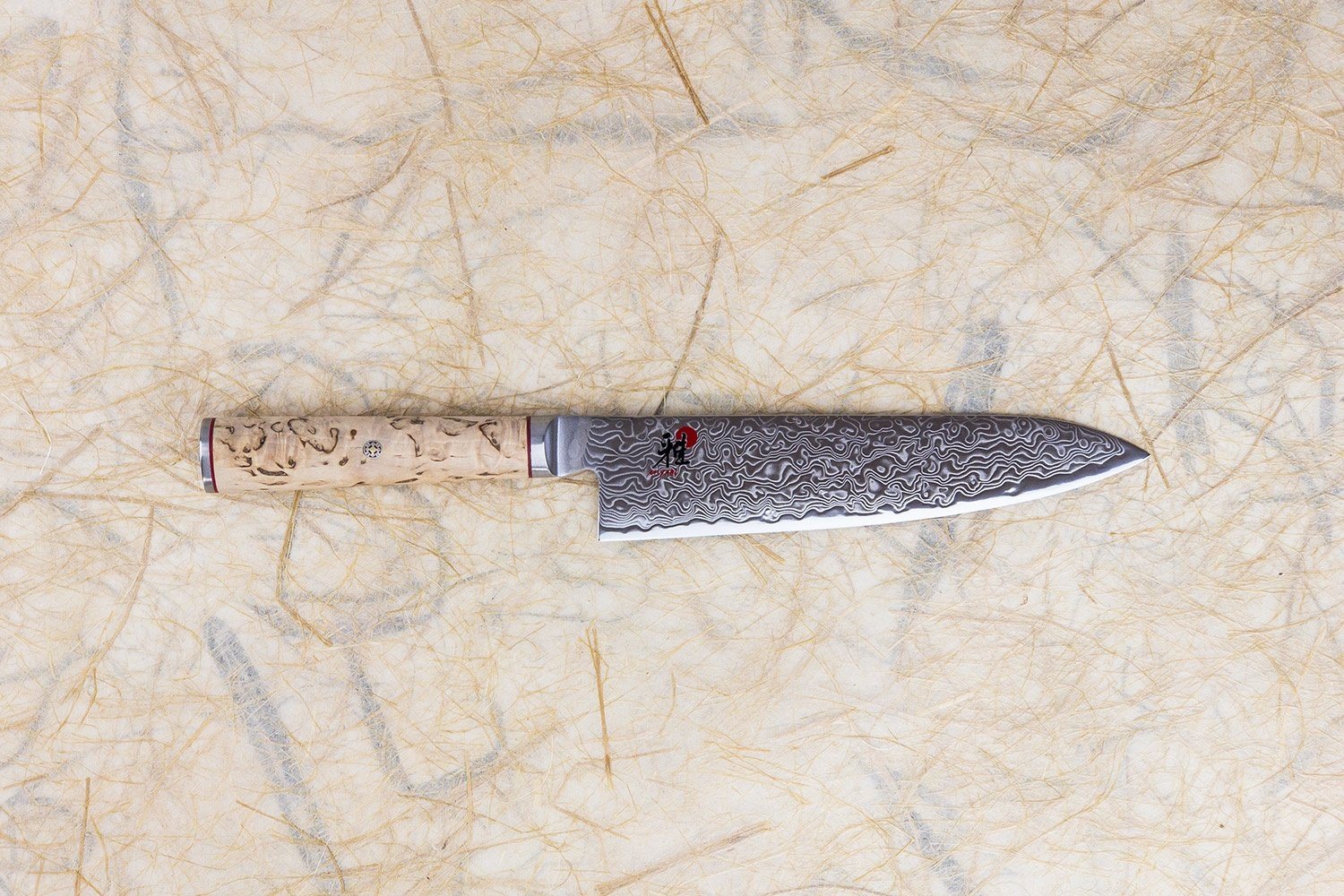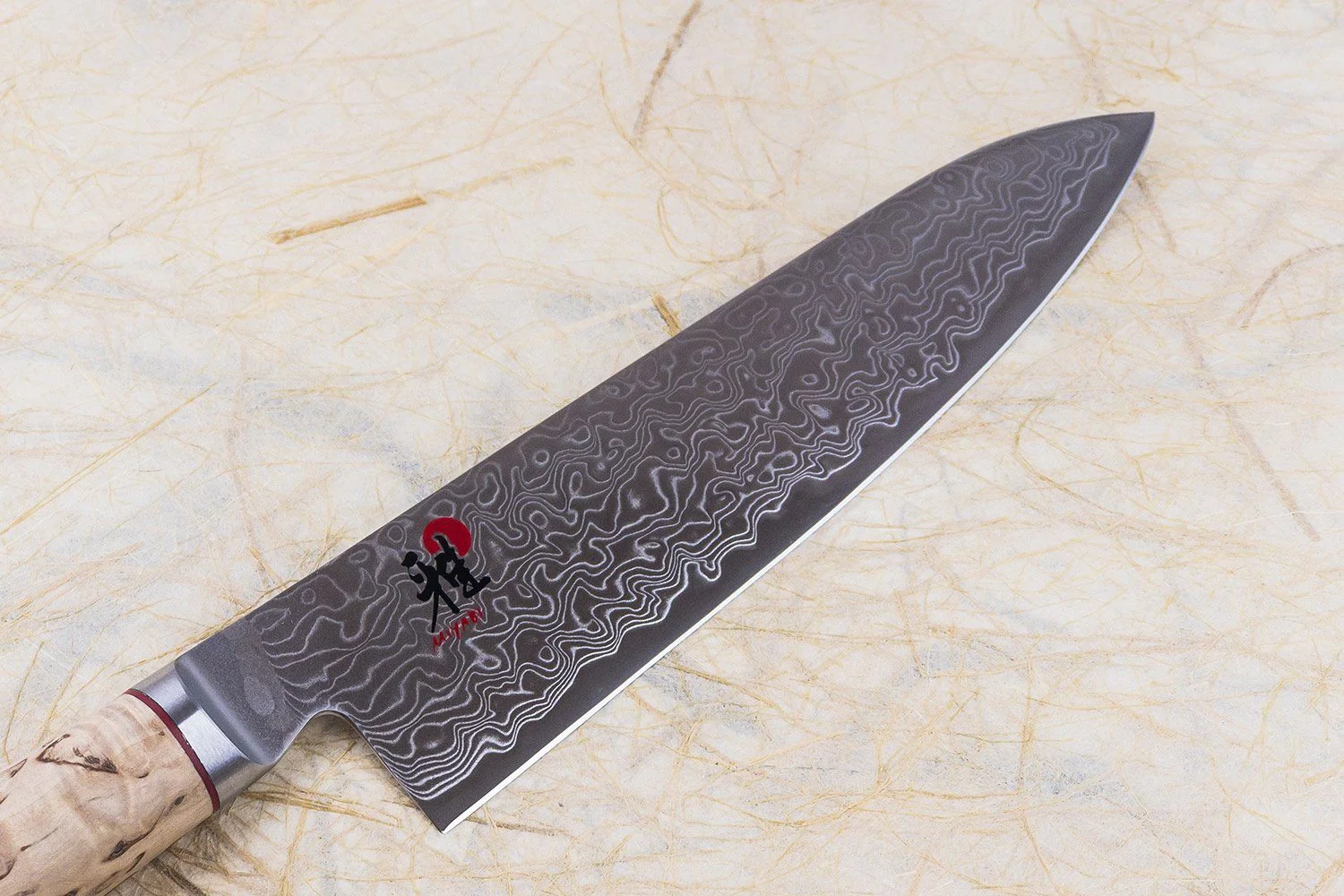
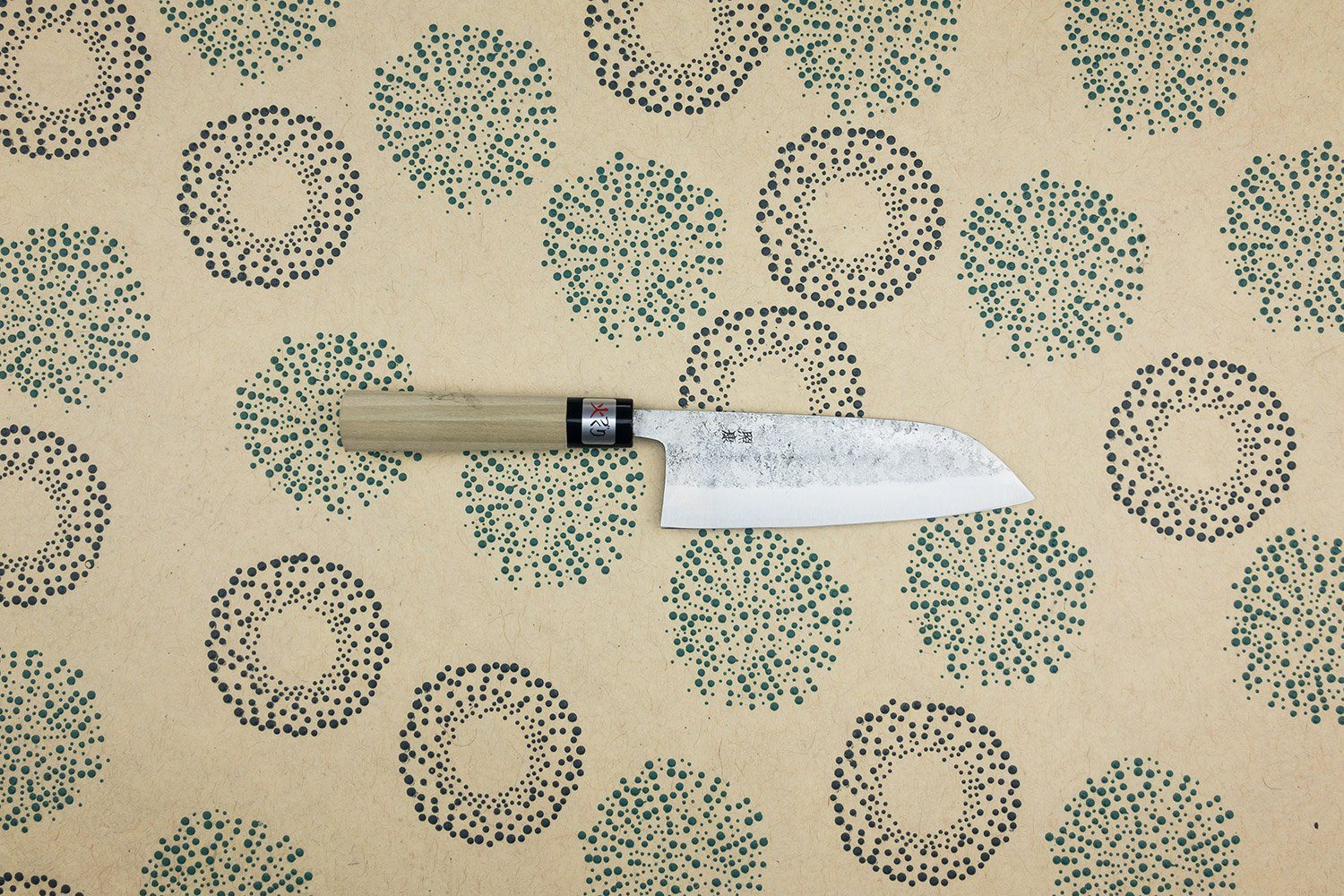
Fujiwara Nashiji Santoku 165mm
About Teruyasu Fujiwara -Fujiwara is one of the most revered names in the world of Japanese knives. The Fujiwara family started as blacksmiths in 1870, first forging farm tools, then swords. Many blacksmiths these days make a blade with a carbon steel core laminated with an outer layer of stainless steel for a high-performance knife with lower maintenance; this guy was one of the first to develop this technique.
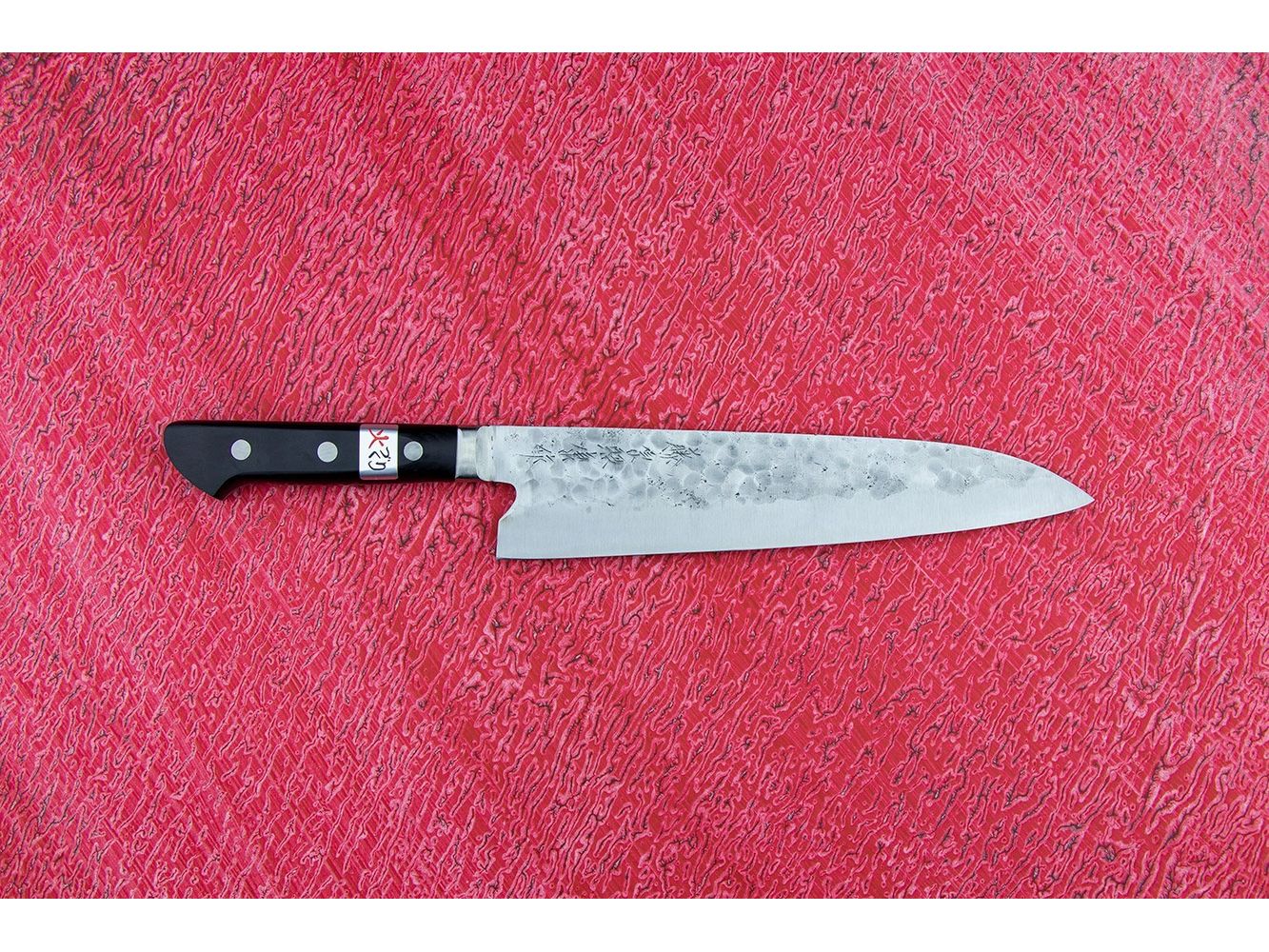
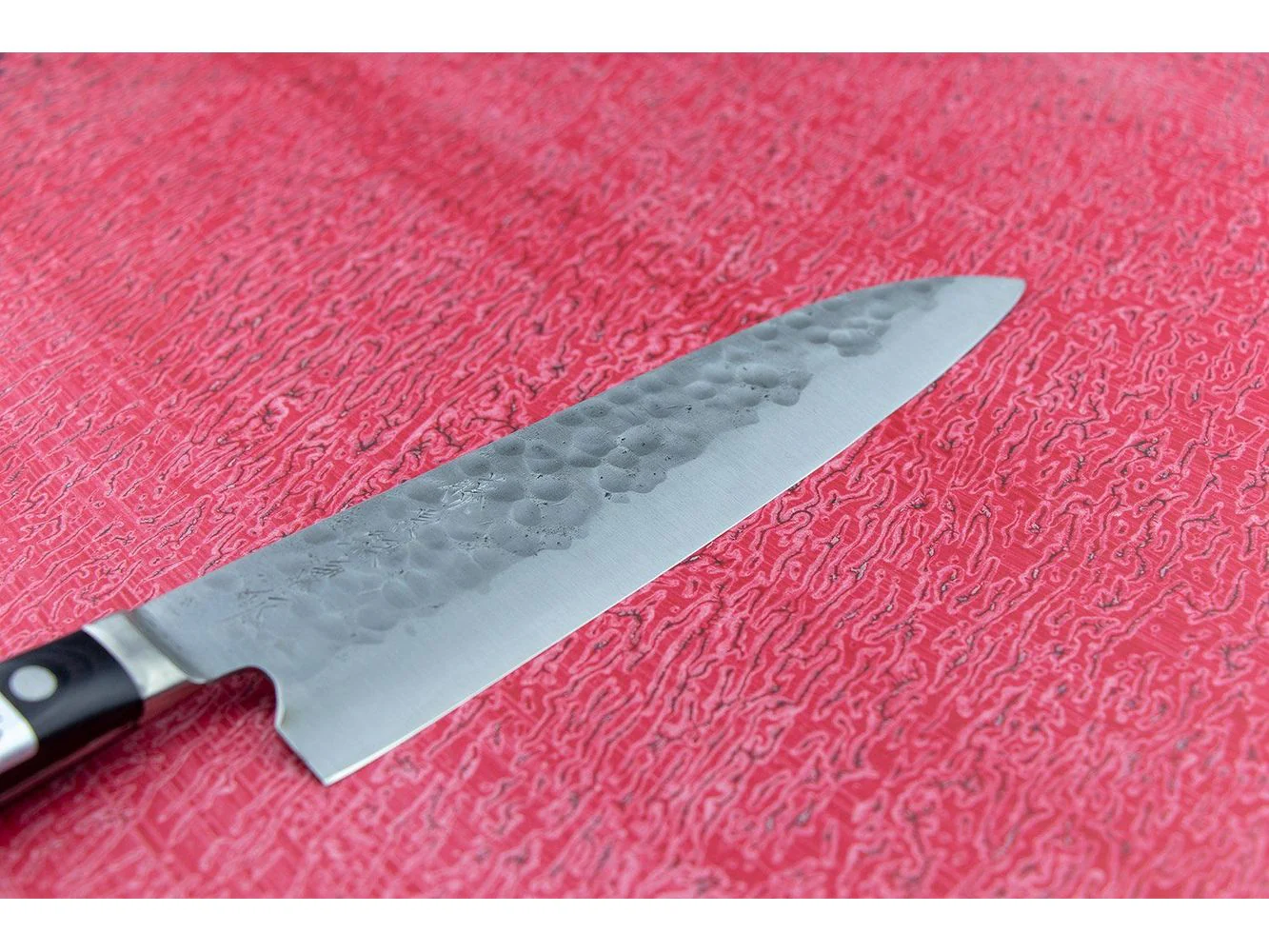
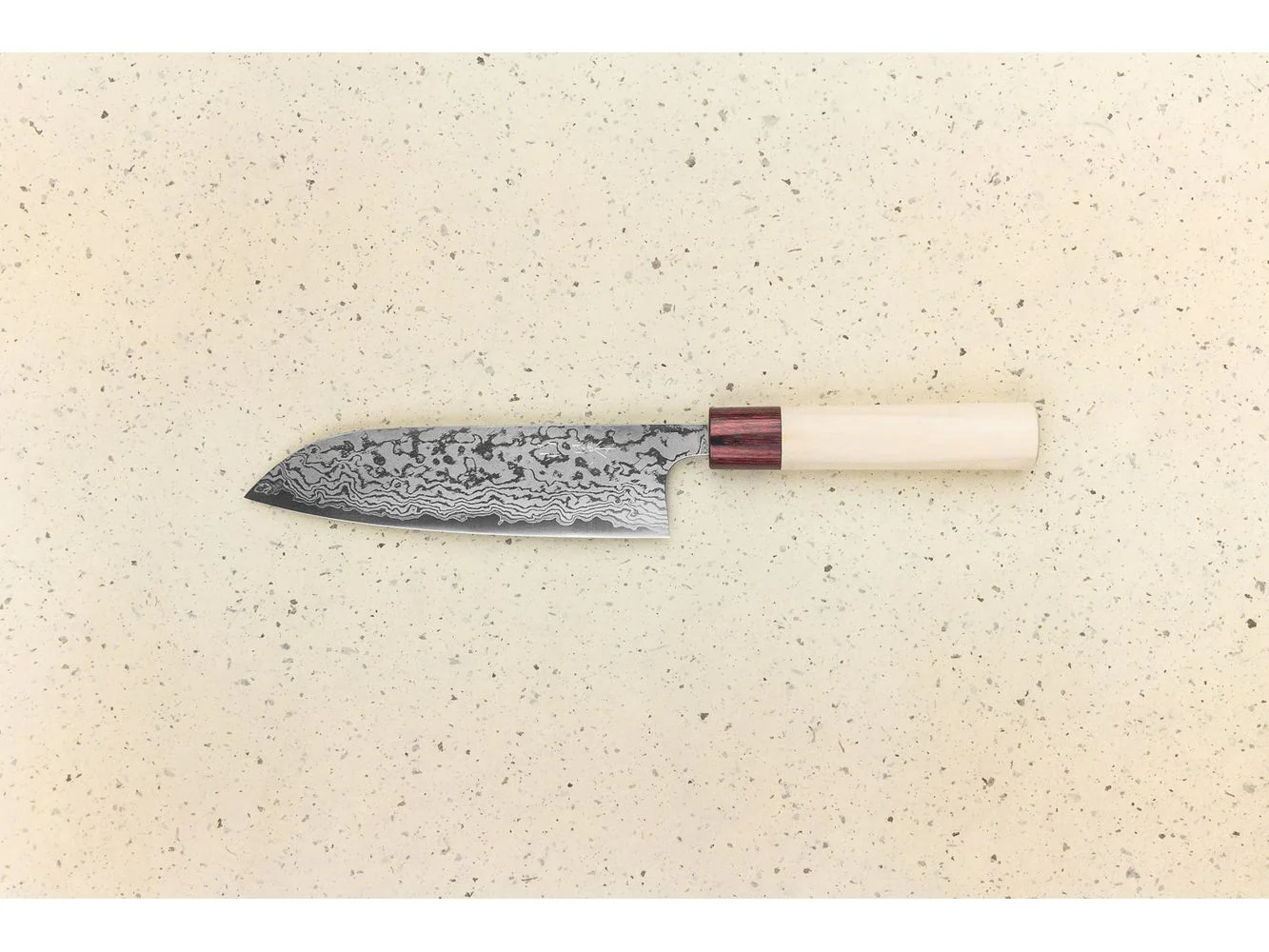
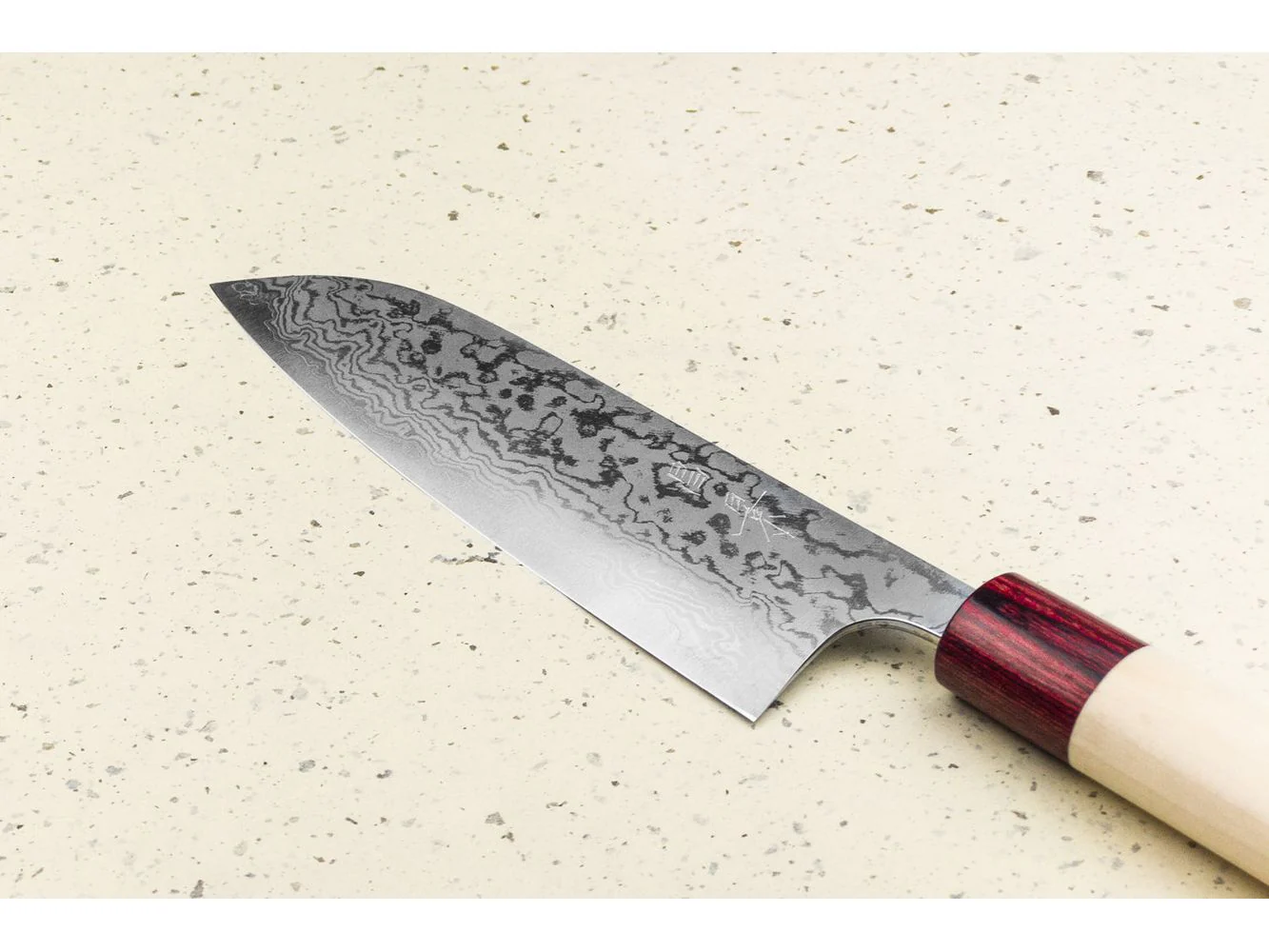
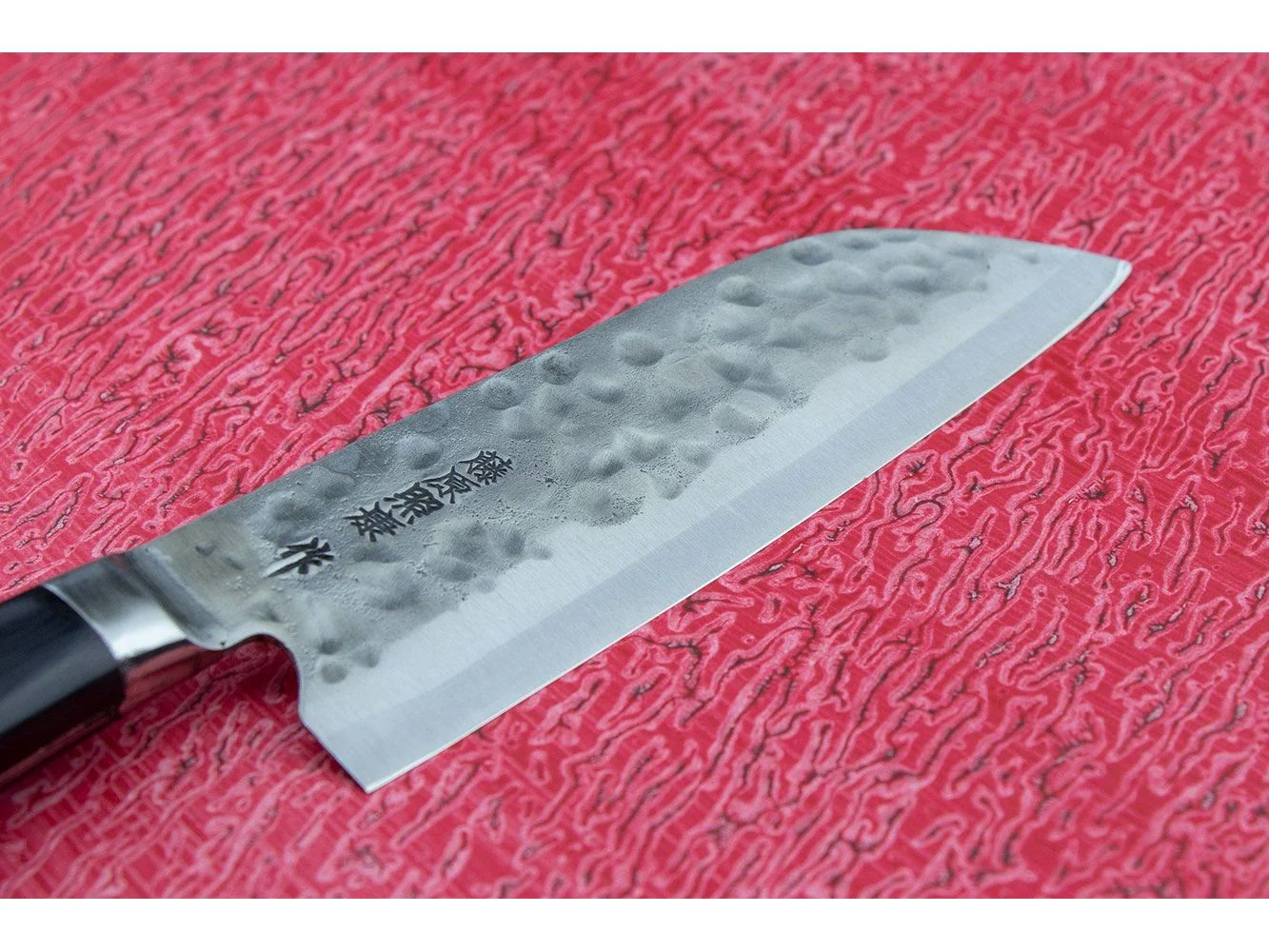
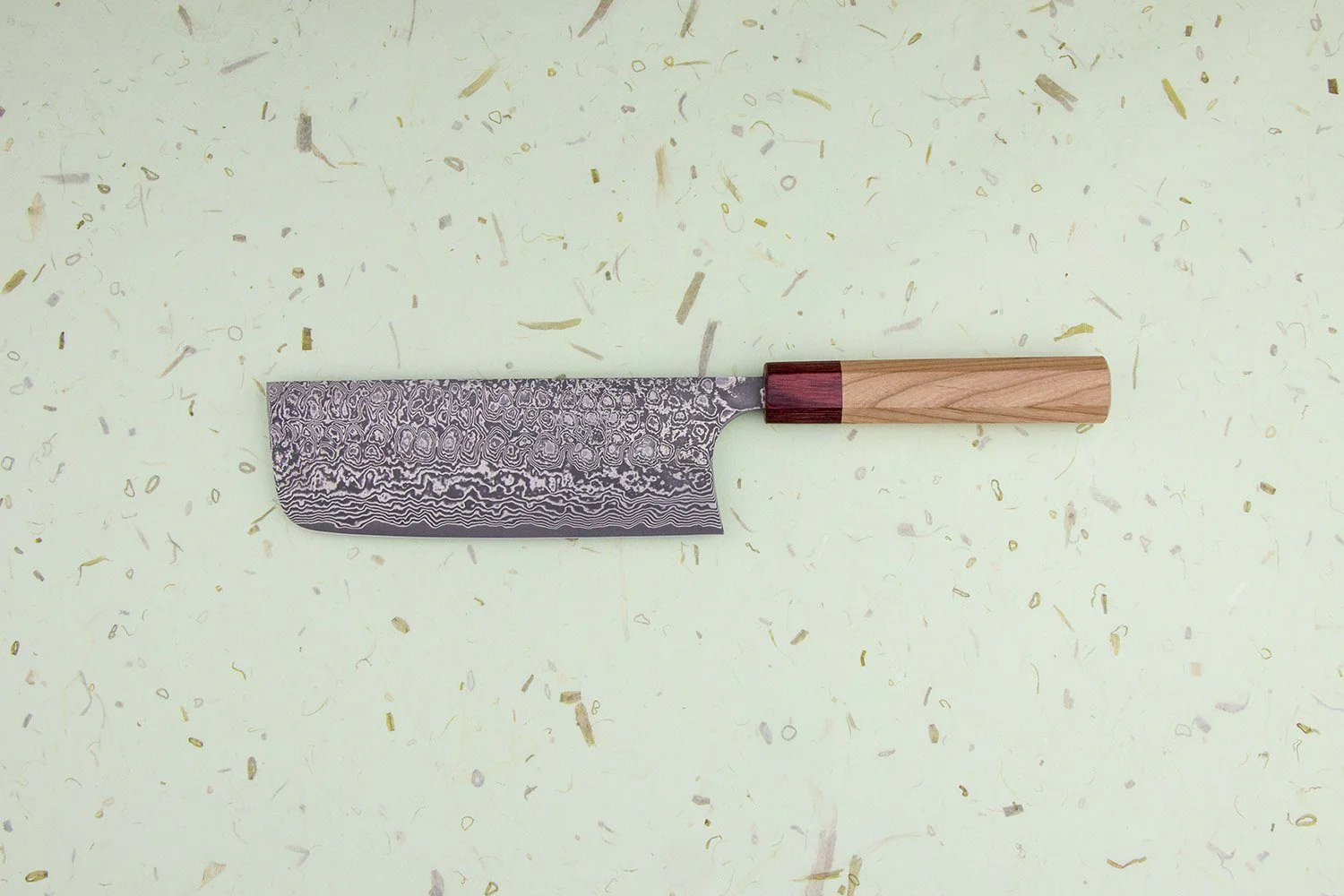
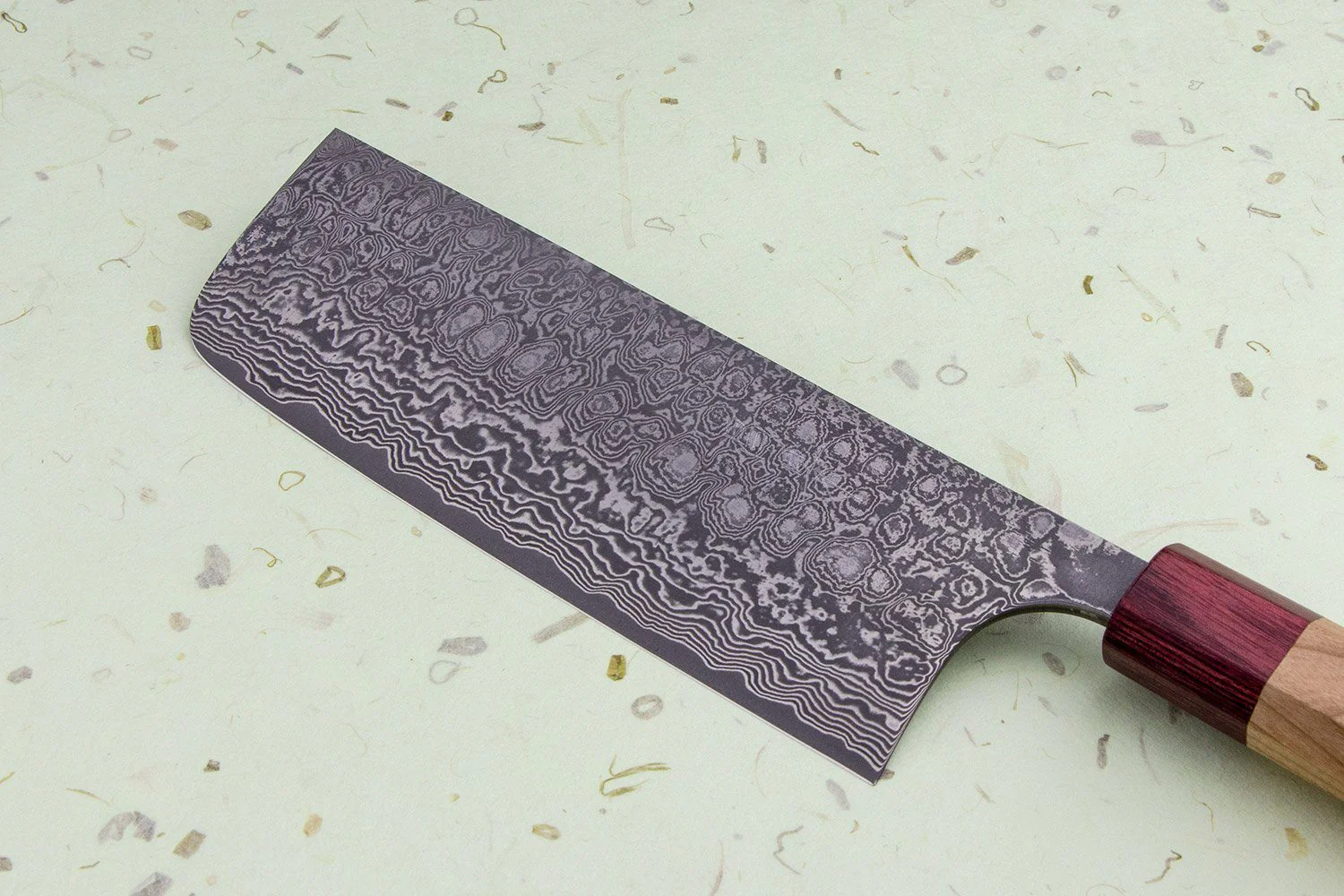
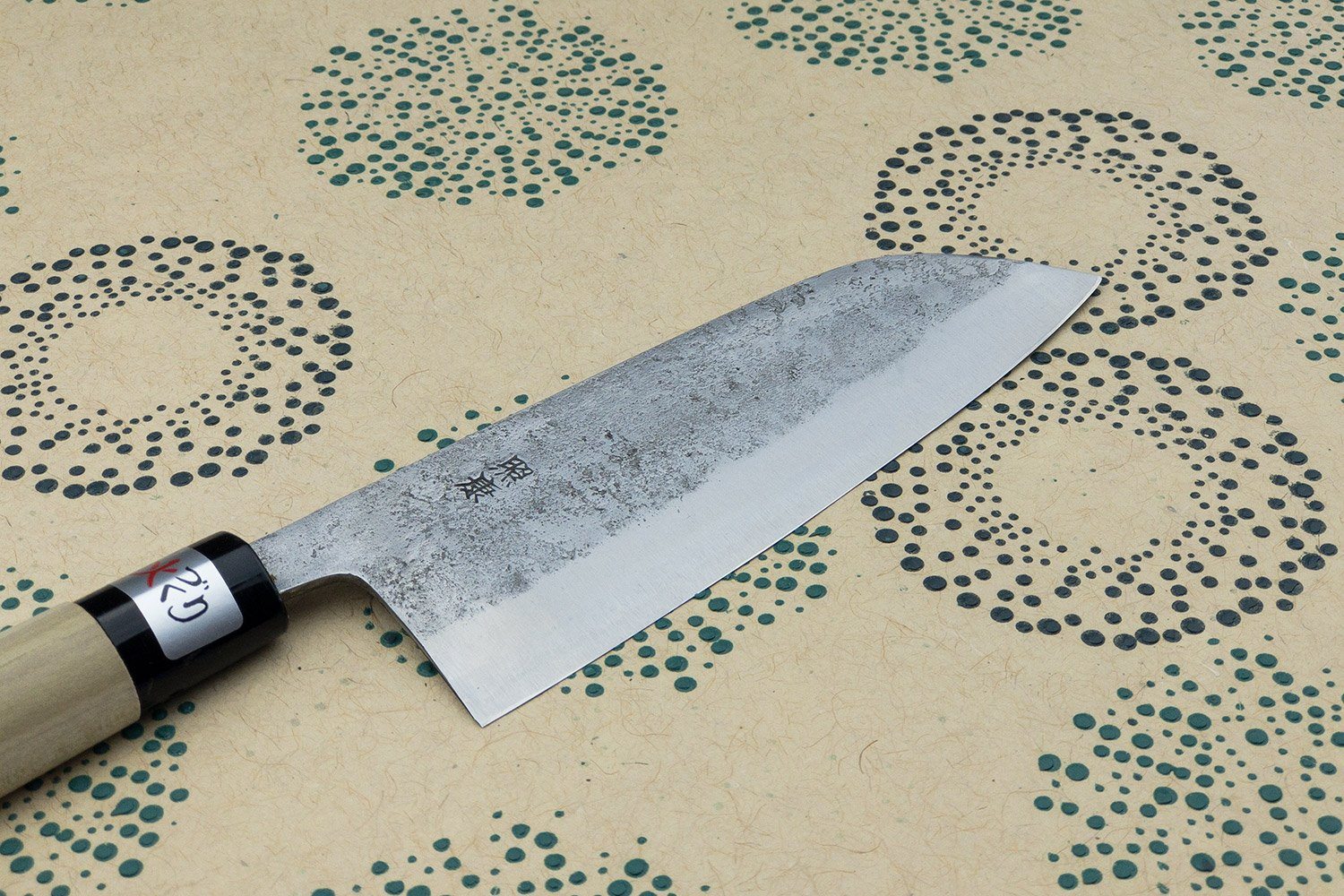
This blade is made from Shirogami steel, called ‘white carbon’ in English, and while it requires care to avoid rust, it gets sharper than just about any other knife steel out there. The rough ‘nashiji’ finish is inspired by the skin of an Asian pear and shows off the hard work and care that goes into making his knives.
At Knifewear, saying “I own a Fujiwara” is basically a secret handshake that tells everyone you have fantastic taste in knives. The Fujiwara family started as blacksmiths in 1870, first forging farm tools, then swords. Today, their name is one of the most revered in the world of Japanese knives.
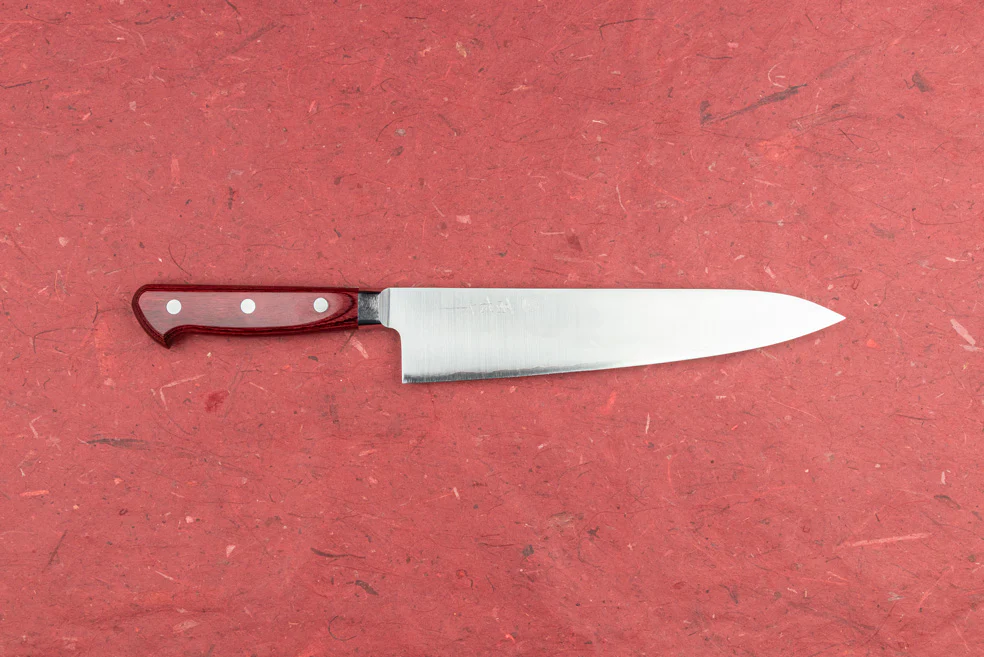
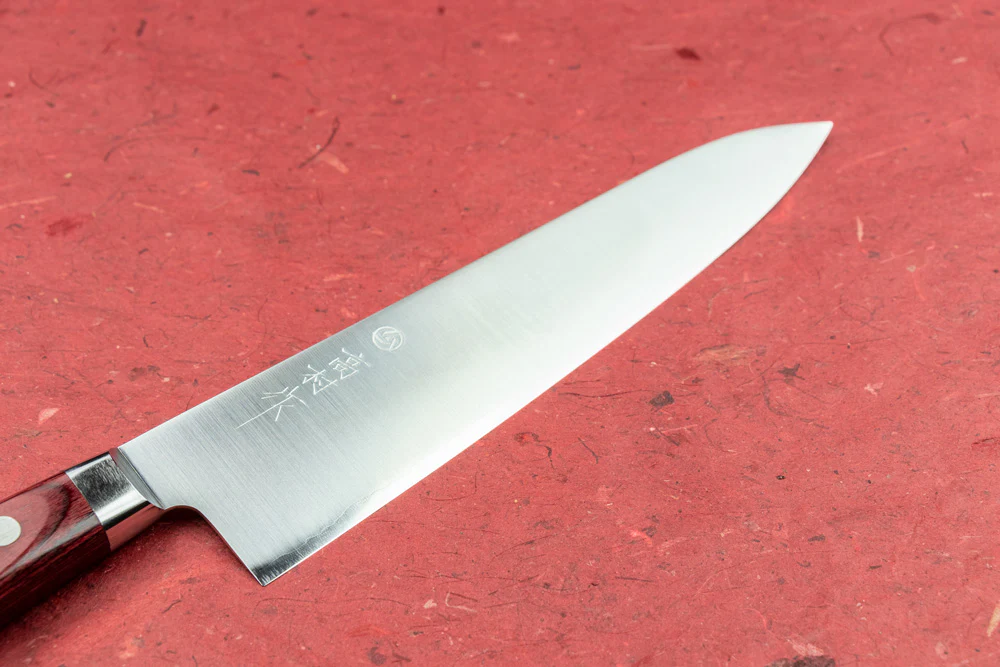
About the Shape - This is also a multi-purpose knife, but with a slight vegetable bias. Santoku means 'Three Virtues' or 'To solve Three Problems'. The virtues or problems are slicing, dicing and mincing. Santoku is usually found in 160mm - 190mm lengths. These are more and more popular in Western kitchens due to the unique shape and smaller easy to handle size.
Product Information
Product Information
Shipping & Returns
Shipping & Returns
Description
About Teruyasu Fujiwara -Fujiwara is one of the most revered names in the world of Japanese knives. The Fujiwara family started as blacksmiths in 1870, first forging farm tools, then swords. Many blacksmiths these days make a blade with a carbon steel core laminated with an outer layer of stainless steel for a high-performance knife with lower maintenance; this guy was one of the first to develop this technique.
This blade is made from Shirogami steel, called ‘white carbon’ in English, and while it requires care to avoid rust, it gets sharper than just about any other knife steel out there. The rough ‘nashiji’ finish is inspired by the skin of an Asian pear and shows off the hard work and care that goes into making his knives.
At Knifewear, saying “I own a Fujiwara” is basically a secret handshake that tells everyone you have fantastic taste in knives. The Fujiwara family started as blacksmiths in 1870, first forging farm tools, then swords. Today, their name is one of the most revered in the world of Japanese knives.
About the Shape - This is also a multi-purpose knife, but with a slight vegetable bias. Santoku means 'Three Virtues' or 'To solve Three Problems'. The virtues or problems are slicing, dicing and mincing. Santoku is usually found in 160mm - 190mm lengths. These are more and more popular in Western kitchens due to the unique shape and smaller easy to handle size.